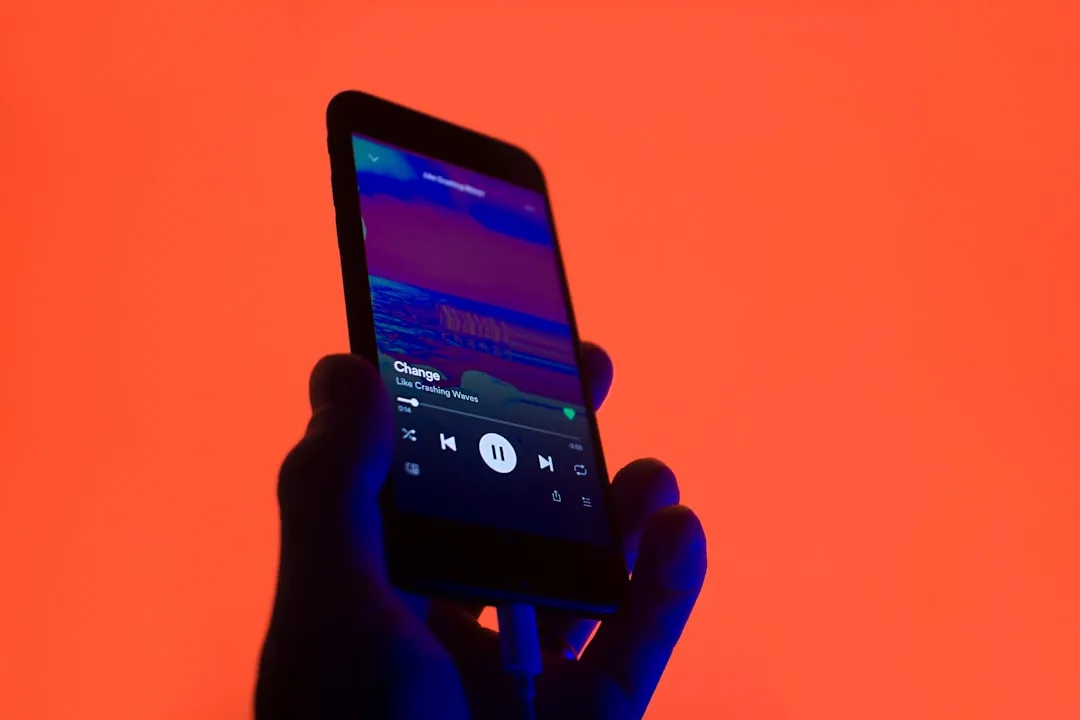
Music streaming services have dramatically transformed the way listeners discover new music — but at what cost? As 2026 unfolds, algorithms stand not merely as instruments of convenience but as powerful gatekeepers of musical exposure. Spotify, the industry leader in AI music curation, now reaches 761 million monthly active users, with 293 million paying subscribers, per its latest figures.
This year, artificial intelligence elevated Spotify's capabilities, allowing users to partake in personalized playlist creation through AI-driven prompts. This new feature ostensibly gives control back to listeners, fostering a collaborative effort with the platform's algorithmic backbone (source). However, the larger question remains: Does this effort truly democratize discovery, or does it further entrench favored content?
Algorithmic Dominance vs. Human Curation
The debate over algorithmic curation versus human curation has intensified in 2026. While algorithms offer speed and hyper-personalization, critics argue they can create echo chambers that limit exposure to new musical horizons. As highlighted by Soundstock, streaming services historically dominated by manual curation have yielded ground, allowing algorithmic engines to steer musical journeys based on user behavior.
Platforms like Deezer have taken steps to regulate fully AI-generated music, keeping them at bay from algorithmic playlists to maintain balance. According to iMusician, algorithms work alongside human interventions, necessary to introduce fresh content into highly personalized streams. This dual approach aims to protect the diversity that music fans crave (source).
Challenges for Emerging Artists
AI's omnipresence in streaming raises hurdles for lesser-known artists. With over 120,000 new tracks uploaded daily, per Music24, discovery is a bottleneck rather than distribution. Algorithms configured to prioritize widely appealing music can unintentionally sideline emerging talent, locking them into isolated niches.
Antonuccio, an industry expert from Ohio University, emphasizes that AI now primarily dictates platform recommendations, swinging the doors wide open for popular streamers yet making it tougher for indie artists to penetrate broader listener assemblies (source).
Investment in Personalization Continues
The music industry is witnessing increased investment in advanced personalization algorithms. These systems are engineered to refine recommendations based on intricate consumption patterns, as predicted by Roku's 2026 predictions. While personalization boosts user engagement, it can inadvertently guide listeners down narrower funnels, enriching entrenched artists while obscuring the discovery of fresh voices.
As platforms continue to strengthen these frameworks, users experience a double-edged sword: convenience at the potential cost of serendipity.
Organic Discovery: Is It Truly at Risk?
The criticisms aren't just speculative. While a Spotify user might enjoy an expansive catalog at their fingertips, the platform's algorithm heavily shapes which tracks rise to prominence. By relying on extensive user data, Spotify ensures playlists like Discover Weekly provide novelty, albeit within a familiar comfort zone. This model could stagnate underexplored artists while firming the grip on familiar faces.
Compounding this is the increasing inclusion of AI-generated tracks, which clutter algorithmic feeds and potentially dilute revenue pools, squeezing opportunities for organic growth. Music24 underscores this point, showing emerging artists struggling to cut through AI-crowded spaces (source).
Navigating the Hybrid Future
The 2026 streaming landscape is shaping to be a hybrid model. Human curators and sophisticated algorithms each bring unique strengths to the table, and industry players are beginning to align these to mutual benefit. A NerdBot analysis suggests that excluding one method over the other is unwise; instead, streamers should embrace both pathways in providing richer, context-laden listening experiences.
Industry strategists predict that the future lies not in choosing between human or AI-led curation, but in blending both to expand musical horizons while maintaining the intimate touch of individualized listening sessions.
As music consumption continues its AI-assisted evolution, the balance music platforms strike between personalization and genuine exploration will determine which future they help shape. While the allure of tailored recommendations holds strong, the next phase demands an equilibrium that honors AI capabilities without sacrificing the joy of unexpected musical discoveries.
The Inner Workings of Algorithmic Curation
At the heart of algorithmic curation lies a complex interplay of data-driven processes designed to connect listeners with music that resonates with their personal tastes. To understand how these algorithms function, we must break down the steps involved, from data collection to the final recommendation.
First, streaming platforms like Spotify harvest a vast array of user data points. These include listening history, search queries, song skips, repeat plays, and time spent listening to specific tracks or playlists. User interactions such as liking a song or following an artist also feed into the algorithm. This collection of data serves as the foundation upon which algorithms build personalized music suggestions.
The second step involves processing this data through machine learning models. These models analyze patterns within the data to understand a user’s music preferences better. For instance, if a listener frequently engages with hip-hop tracks featuring heavy basslines, the algorithm will identify this inclination and factor it into future recommendations. Advanced AI tools can identify even subtle preferences, such as a penchant for specific vocal styles or lyrical themes, expanding beyond simple genre classifications.
Once the algorithm has established a user’s preferences, it begins generating recommendations. These recommendations aren't conjured from thin air; instead, algorithms compare a user's profile with similar profiles to suggest tracks that align with their tastes. This process, known as collaborative filtering, helps introduce users to music they may not have discovered independently. By identifying clusters of users with shared interests, the algorithm amplifies the discovery potential inherent in community listening habits.
After possible recommendations are formulated, the platform must prioritize them. This task involves ranking songs based on a range of factors, including predicted enjoyment (based on historical user responses to similar songs) and recency (newly released tracks from frequently followed artists might receive a higher rank). The goal is to maintain a balance between introducing novel content and reinforcing existing interests, ensuring that users remain engaged and satisfied.
Finally, the recommendations are delivered to the user through curated playlists like Discover Weekly or Release Radar. These playlists are dynamic, regularly updated to reflect changes in musical preferences and available content. As users engage with the recommendations—whether by listening, skipping, or saving tracks—the algorithm continuously refines its understanding, ready to adapt its future suggestions.
Through continual cycles of data collection, analysis, and refinement, these algorithmic systems operate at a scale and efficiency unattainable by human curators alone, illustrating an ongoing evolution in music consumption and discovery.
Impact on Artists, Labels, and Listeners
The ongoing tug-of-war between algorithms and human curation reshapes not only how artists reach audiences but also how labels and listeners engage with music. For artists, especially independents, the democratization promised by digital streaming has delivered mixed results. While platforms theoretically provide access to billions of potential fans, the reality is much more nuanced. Algorithmic biases favor mainstream tracks, often clustering music that exhibits similar patterns of high engagement or commercial hits. This tends to isolate novice artists unless they crack the peak playlists that boost song visibility substantially.
The consequence for labels is equally significant. Signed artists typically receive prominent positioning on curated playlists, with big-budget marketing supporting releases. Labels strategize to manipulate algorithms through planned releases and timed promotions. Yet, as soon as an unforeseen viral hit emerges, whether through TikTok or Spotify's personalized playlists, labels scramble to retain control over these often unpredictable results.
Listeners, meanwhile, find themselves in a loop of curated comfort. The algorithms focus sharply on past listening behaviors, which means that unless proactively explored, unfamiliar sounds remain out of reach. Ironically, while offering infinite choice, the systems often lead to repetitive listening cycles. Feedback from listening apps indicates that users appreciate personalization but miss the random discovery paths that traditional radio once offered.
Platforms are responding to these challenges by experimenting with features that aim to balance algorithmic precision with exploratory experiences. Some, such as Spotify's introduction of AI prompt-based playlists or Deezer's restrictions on algorithmic promotion of AI-generated music, showcase efforts to enrich user experience with serendipity. However, whether these changes can meaningfully disrupt entrenched habits remains to be seen.
As 2026 progresses, the crucial question is whether the industry can sustain its growth while maintaining a healthy creative ecosystem that supports all artists, not just those within the algorithmic spotlight. With innovation being as much about technological enhancement as about fostering diverse musical voices, the trajectory of digital streaming platforms might ultimately depend on their capacity to integrate human touch with machine-learning rigor.
From Radio DJs to Digital Playlists: Evolution of Music Curation
To truly grasp the shifts within music streaming today, it's insightful to compare with past curation practices that have shaped music discovery. Historically, radio DJs and journalists were the trusted gatekeepers of music, wielding significant influence over which songs reached listeners. These curators operated under a blend of personal taste, cultural insight, and industry ties, creating an ecosystem that valued the human touch in music discovery.
In the 1950s to the early 2000s, radio stations were king. DJs selected tracks that shaped public taste, guiding what songs gained traction. This approach, while highly subjective, allowed for serendipity and surprise—a listener could accidentally stumble upon a new favorite track while tuning into a station for its regular programming. Moreover, late-night shows and niche radio segments offered platforms for less mainstream artists, gently introducing them to wider audiences.
Compare this with the playlists of today’s streaming platforms, where algorithms redefine what discovery means. Where once personal intuition guided selections, now data-driven models preside. Streaming algorithms aggregate listening habits from an expansive pool of global users, identifying trends and preferences with precision no human DJ could achieve. However, these algorithms often prioritize engagement metrics over creative diversity, reinforcing popular listening patterns at the potential expense of untested or avant-garde styles.
Historically, record labels also played a huge role in dictating what music was promoted. The ascent of streaming platforms has disrupted this paradigm, reducing traditional media’s dominance and allowing algorithms to highlight unsigned or indie artists—if their music aligns well with listener data. The downside is that music not fitting into easily digestible categories may go unnoticed, illustrating a different kind of gatekeeping.
In today’s landscape, human curators still contribute meaningfully. Editorial playlists offered by platforms incorporate both algorithmic insights and human sensibilities. Curators who manage these playlists possess deep knowledge of music's cultural and emotional contexts, selecting tracks based on factors algorithms might miss. This interplay between tech and intuition aims to replicate the eclectic surprises of radio playlists, offering both targeted recommendations and unexpected gems.
The comparison between past and present curation practices raises intriguing questions for the future. Will AI-powered curation eventually recapture the surprise element of traditional radio, or will the algorithms need adjustment to better accommodate the diversity of musical expression? As streaming evolves, the industry might see a resurgence of curated shows and programmed listening sessions, driven by both technology and a renewed appreciation for the art of musical storytelling.